
Plantar Fasciitis Treatment in Melbourne
Drug-free plantar fasciitis and heel pain care in Melbourne, FL. Dr. Rachael Callaway uses Shockwave Therapy and chiropractic care to target the root cause.
Chiropractic care for plantar fasciitis
Get to the root of your plantar fasciitis
Also known as: Heel Pain, Plantar Fascia Pain, Heel Spur Pain
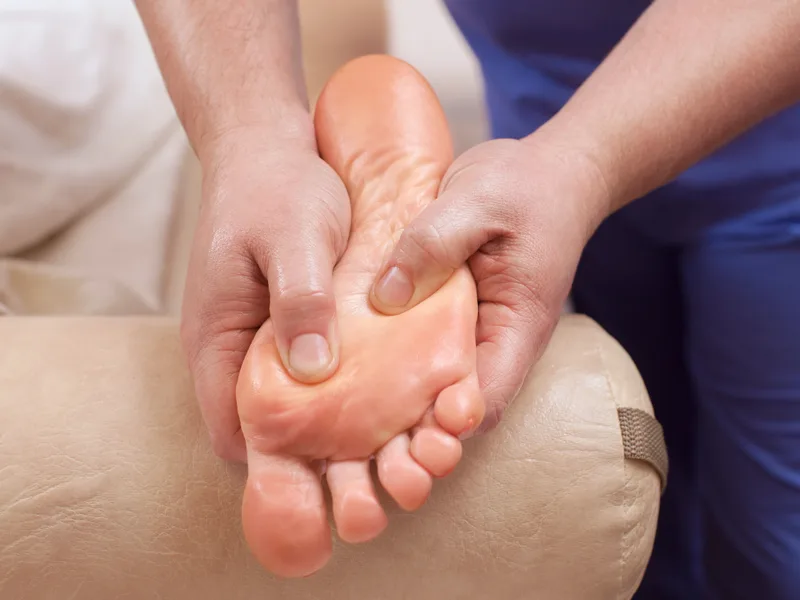
That sharp, stabbing heel pain the moment your foot hits the floor in the morning is one of the most recognizable patterns we see at Care Natural Wellness Center — and it's very often plantar fasciitis. If every first step out of bed feels like stepping on a nail, Dr. Rachael Callaway helps patients in Melbourne and across Brevard County pursue lasting relief with Shockwave Therapy, soft-tissue techniques, and chiropractic care that looks at the foot mechanics, gait, and alignment overloading the plantar fascia.
Symptoms of plantar fasciitis
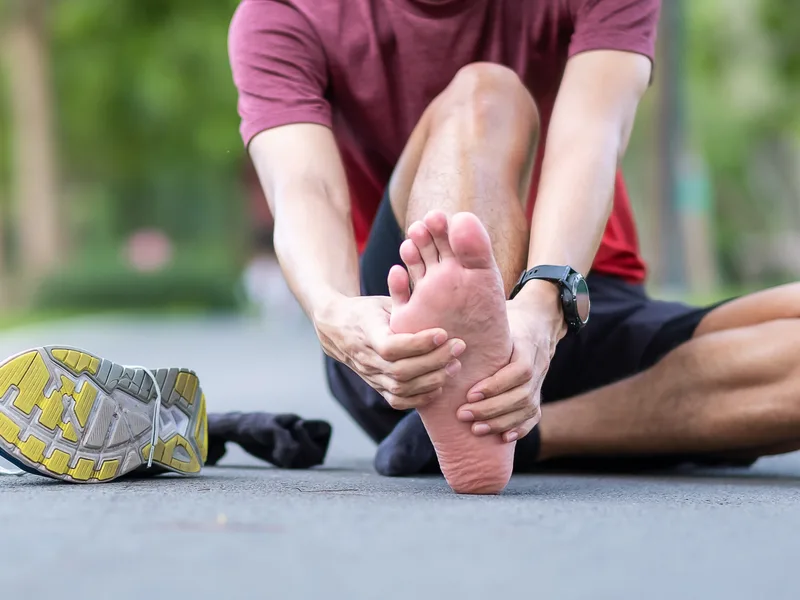
- ✓Sharp heel pain with the first steps of the day or after rest
- ✓A dull, aching throb along the bottom of the foot after long periods of standing
- ✓Pain that improves after a few minutes of walking but returns later
- ✓Tightness or tenderness at the front of the heel bone
- ✓Increased pain after activity rather than during it
- ✓Difficulty walking barefoot on hard floors
Common causes
- Overpronation or flat arches that overstretch the fascia with each step
- Tight calf muscles and Achilles tendon that pull the heel attachment
- Sudden increases in walking, running, or training volume (overuse)
- Prolonged standing on hard surfaces with poor footwear
- Hip and pelvic misalignment that shifts load asymmetrically onto one foot
- Excess body weight increasing force through the heel with every step
- Altered gait from a previous ankle, knee, or hip injury
Our approach
How we treat plantar fasciitis in Melbourne
- Step 1
Thorough exam
We assess foot mechanics, arch structure, gait pattern, and the alignment of your ankle, knee, hip, and pelvis to find where the excess loading is actually coming from — not just where it hurts.
- Step 2
A clear, personalized plan
You get a plain-English explanation of what's driving your heel pain and a written report of findings with recommendations — not open-ended guesswork.
- Step 3
Shockwave, soft tissue & adjustments
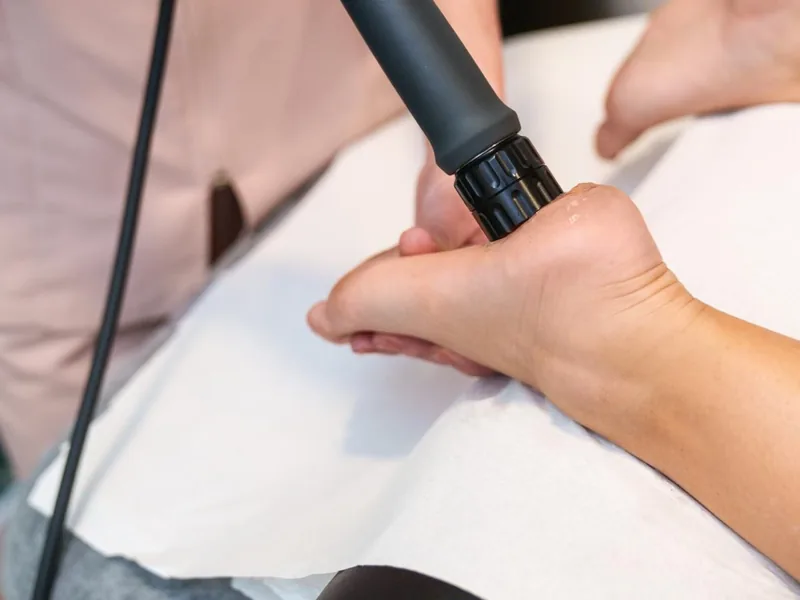
We combine Shockwave Therapy for the irritated fascia, soft-tissue techniques for the arch and calf, and chiropractic adjustments for the foot, ankle, and the chain above it.
The basics
Understanding plantar fasciitis
The plantar fascia is a thick band of connective tissue that runs along the bottom of your foot, connecting your heel bone to the base of your toes. It acts as a shock absorber and supports the arch with every step you take. When the fascia is chronically overloaded — from poor mechanics, tight calves, flattened arches, or abnormal gait — tiny tears accumulate at the heel attachment and trigger the irritation cycle that causes plantar fasciitis. The classic morning pain happens because the fascia shortens overnight, and the first steps of the day re-stretch those irritated fibers all at once.
What most people don't realize is that plantar fasciitis is rarely a foot problem alone. How your ankle, knee, hip, and pelvis move directly affects how force loads through the arch. Overpronation, leg-length differences, tight hip flexors, or poor pelvic alignment can all shift excess stress onto the plantar fascia — which is why treating the foot in isolation so often leads to frustrating, slow progress. Plantar fasciitis and heel pain are also among the conditions our chiropractors treat with Shockwave Therapy, which uses acoustic pressure waves to stimulate the body's healing response in stubborn tissue.
Certificate to Health
New Patient Special
Find out what's causing your pain and how we can help. An initial chiropractic evaluation for $60, which covers your consultation, exam and report of findings.
Certificate good only for first time patients who are residents of Brevard County, and does not apply to workers comp or accident cases. FEDERAL LAW PROHIBITS USE BY MEDICARE. ADDITIONAL SERVICES ARE AT ESTABLISHED PRICES. THE PATIENT AND ANY OTHER PERSON RESPONSIBLE FOR PAYMENT HAS A RIGHT TO REFUSE TO PAY, CANCEL PAYMENT, OR BE REIMBURSED FOR PAYMENT FOR ANY OTHER SERVICE, EXAMINATION, OR TREATMENT THAT IS PERFORMED AS A RESULT OF AND WITHIN 72 HOURS OF RESPONDING TO THE ADVERTISEMENT FOR THE FREE, DISCOUNTED FEE, OR REDUCED FEE SERVICE, EXAMINATION OR TREATMENT.
Types of plantar fasciitis and heel pain we treat
Heel pain is not always textbook plantar fasciitis, and the right care depends on what’s actually happening in your foot and the rest of your kinetic chain. We regularly help patients in Melbourne and the surrounding Space Coast with:
- Classic plantar fasciitis — the hallmark first-step morning pain from chronic overloading of the heel attachment, addressed with Shockwave Therapy, soft-tissue techniques, and stretching.
- Heel spur pain — bony growths that develop alongside chronic fascia tension; the spur itself rarely causes pain, but the irritated tissue around it does. Heel spurs are among the conditions our chiropractors treat with Shockwave Therapy.
- Achilles tendon pain — Achilles tendinopathy often travels with heel pain and is also a common Shockwave Therapy condition.
- Overpronation-driven arch pain — when flat arches or inward rolling of the foot overstretch the fascia with every step; foot adjustments and footwear guidance are central to the plan.
- Runner’s and walker’s heel pain — overuse presentations from training load spikes, often tied to hip or knee alignment (see also knee pain).
- Gait-compensated heel pain — plantar fasciitis driven by asymmetric loading from a hip pain issue, leg-length difference, or prior ankle injury; we look at the chain, not just the foot.
- On-your-feet heel pain — prolonged standing on hard floors in poor footwear combined with tight calves; see also overuse injuries.
Your exam tells us which pattern applies so your plan is built for your foot — and everything above it.
When to see a chiropractor in Melbourne
Most people try to walk off heel pain, but the longer the fascia is overloaded, the more stubborn it tends to become. Consider requesting an exam if you notice:
- Morning heel pain that has lasted more than a week or two
- Pain that goes away briefly but returns after standing or activity
- Heel pain that keeps coming back every few months
- Aching that has spread into the arch or Achilles area
- Heel pain alongside knee or hip discomfort on the same side — a sign the whole chain may be involved
- Pain that is worsening despite rest, stretching, and new shoes
During your first visit we look for the cause with a thorough foot, gait, and alignment exam — then walk you through exactly what we found and what we recommend.
What to expect at your first visit
Your first visit is focused entirely on understanding your heel pain before any treatment. We’ll:
- Listen to your story — when the pain started, what makes it better or worse, your footwear, activity level, and how it’s affecting your daily routine.
- Examine thoroughly — foot mechanics, arch structure, ankle and hip range of motion, gait pattern, and orthopedic testing to pinpoint the source and any contributing factors up the chain.
- Explain what we found — in plain English, with a written report of findings and realistic recommendations.
- Start care when you’re ready — once you understand the plan, we schedule your treatment visits and share stretches you can start at home.
You are never locked into open-ended treatment — just a clear plan you understand.
Drug-free plantar fasciitis relief — without medication or surgery
Cortisone injections can quiet heel pain temporarily, but they do not fix overpronation, tight calves, or the gait and alignment patterns that caused the fascia to break down in the first place — and repeated injections carry real risks to the tissue. Surgery for plantar fasciitis is rarely necessary and comes with significant recovery time. Our approach offers another path: Shockwave Therapy to stimulate healing in the irritated fascia, plus soft-tissue and chiropractic care to address the mechanics driving it — all without drugs. And if your exam ever suggests imaging or specialist care, we will tell you honestly and help coordinate that care. Individual results may vary.
Heel pain care at CARE Natural Wellness Center
At CARE Natural Wellness Center, serving Melbourne and the rest of Brevard County, we look at the whole picture — not just the bottom of your foot. Dr. Rachael Callaway combines Shockwave Therapy, hands-on soft-tissue techniques, massage therapy, and gentle chiropractic adjustments of the foot and ankle into one coordinated plan. When hip or knee mechanics are part of the problem, we address those too.
Ready to take a more comfortable first step? Our New Patient Special makes your first visit easy, and you can request an appointment online — our office will contact you to confirm a time.
Why choose chiropractic
Chiropractic care vs. the typical plantar fasciitis routine
| Comparison factor | Chiropractic Care | Pain Meds & Surgery |
|---|---|---|
| Addresses the root cause | ✓Works on mechanics and alignment | ✕Masks the symptoms |
| Drug-free & non-invasive | ✓Always | ✕Rarely |
| Risk of side effects | ✓Minimal | ✕Higher (cortisone, rupture, surgery) |
| Personalized to you | ✓Custom care plan | ✕One-size-fits-all |
| Options for stubborn heel pain | ✓Shockwave Therapy available | ✕Injections or surgery |
| Typical recovery | ✓Active & gradual | ✕Often prolonged or recurring |
Treatment options
Services we use to relieve plantar fasciitis
Chiropractic Care
Gentle, precise chiropractic adjustments in Melbourne, FL that restore motion to restricted joints and help ease back pain, neck pain, and headaches at the source.
Learn more →Massage Therapy
Therapeutic massage in Melbourne, FL relaxes tight muscles, supports circulation, and complements chiropractic care for neck pain, whiplash, and tension headaches.
Learn more →Shockwave Therapy
Acoustic Shockwave Therapy in Melbourne, FL helps restart the body’s healing response for stubborn tendon problems like plantar fasciitis and tennis elbow.
Learn more →Related conditions
Other conditions we treat in Melbourne
Patient reviews
What our Melbourne patients say
“Dr Walsh is amazing! The staff is amazing as well.”
“Dr. Brian Walsh and his caring office staff have been serving me for almost 30 years now. His chiropractic skills and Nutritional Response Testing have helped me tremendously to navigate the health obstacles that have presented themselves in my journey. From severe issues with thyroid disease to menopause symptoms to navigating the pain related to arthritis and joint issues, Dr. Walsh has been a reliable resource and a readily available care provider who has helped me maintain and improve my quality of life through access to helpful natural supplements and practical strategies for quality and healthy pain management and treatment options. His helpful and compassionate staff always go the distance to ensure that you get the care you need and they do so with cheerfulness and respect. I honestly don’t know what my quality of life would be like without access to this wonderful group of professionals.”
“Dr Walsh and staff are phenomenal”
What causes plantar fasciitis?+
Plantar fasciitis develops when the connective tissue along the bottom of your foot is chronically overloaded. Common culprits are overpronation, tight calf muscles and Achilles tendons, sudden jumps in activity, prolonged standing on hard surfaces, and poor hip or pelvic alignment that shifts excess force onto one foot. Our exam looks for which of these is driving your heel pain so we can target it directly.
Can a chiropractor help plantar fasciitis?+
Often, yes, because we look beyond the foot. We adjust foot and ankle joints to restore normal motion, use soft-tissue techniques on the fascia and calf, and address hip or pelvic alignment issues that may be overloading the heel. Plantar fasciitis is also one of the conditions Dr. Callaway treats with Shockwave Therapy.
What is Shockwave Therapy for heel pain?+
Shockwave Therapy delivers acoustic pressure waves into the irritated tissue to stimulate the body's own healing response. Plantar fasciitis, heel pain, and heel spurs are among the conditions it is used for at our office. Whether it suits your foot depends on what your exam shows, and individual results may vary.
Why does my heel hurt most with the first steps of the day?+
During sleep your plantar fascia shortens slightly. When you stand up and put weight through your foot, that shortened, irritated tissue is suddenly stretched all at once — producing the signature sharp morning pain. It typically eases after a few minutes of walking as the fascia warms up and lengthens.
How many visits will I need for plantar fasciitis?+
It varies based on how long you've had it and what's driving it. After your evaluation, Dr. Callaway gives you a written report of findings with specific recommendations — not open-ended treatment.
Is chiropractic safe for heel pain?+
Yes. The adjustments and soft-tissue techniques we use for plantar fasciitis are gentle. We screen on the first visit to confirm you're a good candidate and refer out if imaging or specialist care is needed.
How do I get started?+
New patients begin with our Certificate to Health initial chiropractic evaluation — a consultation, chiropractic examination, and written report of findings with recommendations. Our New Patients page has the details, or call our office at (321) 728-1387.
Do I need a referral or imaging before coming in?+
No. Florida patients can see a chiropractor directly, with no physician referral required. Many plantar fasciitis cases don't need imaging before care begins; if we suspect a stress fracture or another problem complicating the picture, we'll refer you for the right study.
Can plantar fasciitis come from a hip or knee problem?+
It can. Hip and pelvic misalignment changes how your gait loads the foot, and knee or ankle issues can create compensatory patterns that overload the plantar fascia. Treating the foot alone and ignoring the chain above it is one of the main reasons people struggle with stubborn, recurring heel pain.
How can I relieve plantar fasciitis pain at home between visits?+
Stretch your calves and plantar fascia before your first steps in the morning, roll the arch with a frozen water bottle, avoid bare feet on hard floors, and wear supportive shoes. These strategies help manage symptoms — your care plan addresses the underlying mechanics that create the problem.
Will orthotics help my plantar fasciitis?+
Supportive footwear and quality arch supports can reduce stress on the plantar fascia for some people by supporting the arch and controlling pronation. Ask us at your exam whether they're worth trying for your foot structure and how they fit alongside your care.
Can plantar fasciitis heal on its own?+
Mild cases sometimes improve with rest, stretching, and better footwear. But if you have persistent morning pain, pain that keeps returning, or heel pain tied to a gait or alignment problem, it's worth having it evaluated rather than waiting it out.