
TMD / TMJ Treatment in Melbourne
Drug-free TMJ and jaw pain care in Melbourne, FL. Dr. Callaway addresses the neck, posture, and muscle tension behind clicking and jaw aches.
Chiropractic care for TMD / TMJ
Get to the root of your TMD / TMJ
Also known as: TMJ Disorder, Jaw Pain, Temporomandibular Joint Dysfunction
Jaw pain that clicks, pops, locks, or just aches all day is more than an annoyance — it affects eating, talking, and sleeping, and it often brings relentless headaches along for the ride. At CARE Natural Wellness Center in Melbourne, Dr. Rachael Callaway looks beyond the jaw itself to the neck tension, postural patterns, and muscle tightness that frequently contribute to TMD, and recommends a gentle, drug-free plan to address them.
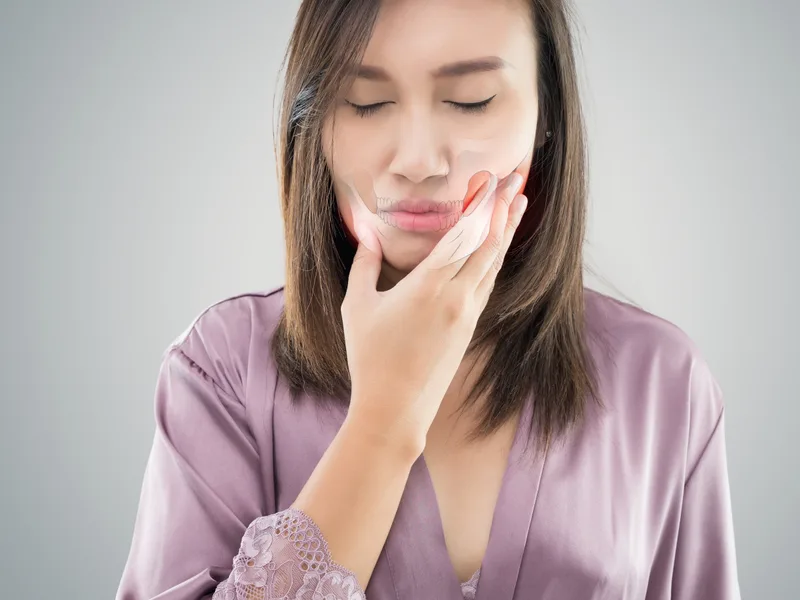
Symptoms of TMD / TMJ
- ✓Clicking, popping, or grinding when you open or close your mouth
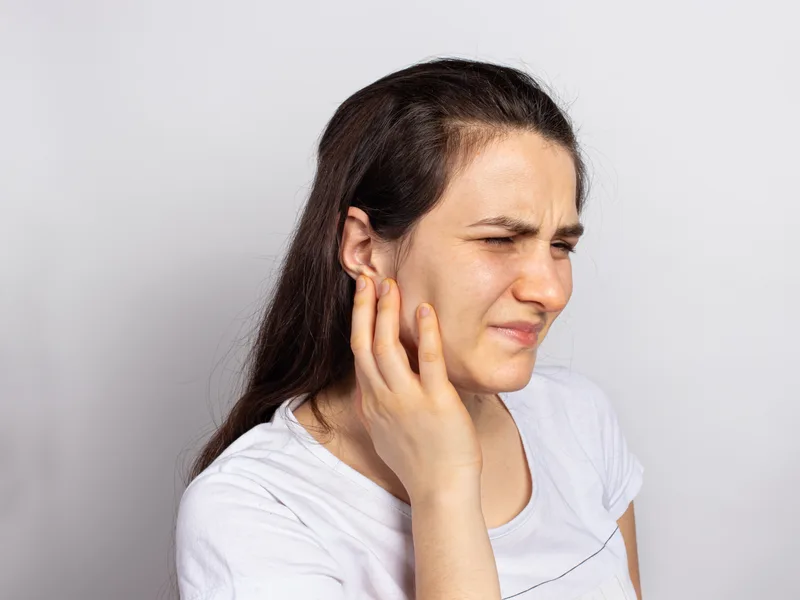
- ✓Pain or tenderness in the jaw joint, in front of the ear, or along the jaw line
- ✓Limited mouth opening or a jaw that gets stuck or locks
- ✓Headaches — especially in the temples or at the base of the skull
- ✓Facial muscle aching, tightness, or fatigue when chewing
- ✓Ear pain, fullness, or ringing (tinnitus) with no apparent ear cause
- ✓Neck and upper shoulder tension that accompanies jaw symptoms
Common causes
- Muscle imbalance and chronic clenching or grinding (bruxism)
- Poor posture and forward-head position straining the upper cervical spine
- Restricted upper cervical joints altering jaw mechanics
- Bite misalignment from missing teeth, dental work, or a poor-fitting appliance
- Injury or trauma to the jaw, chin, or neck (including whiplash)
- Stress-driven jaw tension and teeth grinding during sleep
- Repetitive strain from prolonged gum chewing or wide mouth opening

Our approach
How we treat TMD / TMJ in Melbourne
- Step 1
Thorough exam
We review your jaw, neck, and posture as part of a chiropractic examination to understand what's contributing to your TMD — and let you know when a dental evaluation for bite or splint needs makes sense.
- Step 2
A clear, personalized plan
You receive a plain-English written report of what we found, with specific recommendations for your care.
- Step 3
Neck, muscle & posture care
We combine gentle cervical adjustments, targeted soft-tissue work for the jaw, neck, and upper-back muscles, and posture guidance to ease the tension that keeps TMD active.
The basics
Understanding TMD / TMJ
The temporomandibular joints (TMJ) connect your lower jaw to your skull just in front of each ear. They work in tandem with a disc, muscles, and ligaments to let you chew, speak, and yawn — and they're in near-constant motion. When the disc, the muscles, or the joint mechanics become unbalanced, you get the clicking, pain, limited opening, and headaches that define TMD. Bite issues and tooth grinding (bruxism) play a role, but so do forward-head posture, upper cervical joint restriction, and chronic tension in the jaw and neck muscles — areas where chiropractic and soft-tissue care may help.
That's why a team approach often works best for TMD: our chiropractors focus on the neck, upper-back, and muscle components while your dentist manages the bite and any splint therapy. Together, those two tracks often address more of the problem than either alone. If you haven't seen a dentist yet for your jaw, we'll let you know if that's a sensible next step.
Certificate to Health
New Patient Special
Find out what's causing your pain and how we can help. An initial chiropractic evaluation for $60, which covers your consultation, exam and report of findings.
Certificate good only for first time patients who are residents of Brevard County, and does not apply to workers comp or accident cases. FEDERAL LAW PROHIBITS USE BY MEDICARE. ADDITIONAL SERVICES ARE AT ESTABLISHED PRICES. THE PATIENT AND ANY OTHER PERSON RESPONSIBLE FOR PAYMENT HAS A RIGHT TO REFUSE TO PAY, CANCEL PAYMENT, OR BE REIMBURSED FOR PAYMENT FOR ANY OTHER SERVICE, EXAMINATION, OR TREATMENT THAT IS PERFORMED AS A RESULT OF AND WITHIN 72 HOURS OF RESPONDING TO THE ADVERTISEMENT FOR THE FREE, DISCOUNTED FEE, OR REDUCED FEE SERVICE, EXAMINATION OR TREATMENT.
TMD and jaw pain — common types
TMJ disorder shows up differently from person to person. Our chiropractors regularly see patients with:
- Jaw clicking and popping — often caused by disc displacement within the TMJ. Easing tension in the surrounding muscles may help reduce discomfort; a dentist can evaluate the joint itself.
- Jaw muscle pain and tightness — chronic clenching and bruxism overload the masseter, temporalis, and pterygoid muscles. Soft-tissue work and massage therapy help release those muscles.
- Cervicogenic jaw pain — upper cervical joint restriction that alters jaw mechanics and amplifies TMD. Closely linked to neck pain; we look at both in the same plan.
- TMD-related headaches — referred pain from the jaw and upper cervical spine into the temples or skull base. Often overlaps with headaches and migraines; caring for the jaw muscles and neck together may help both.
- Post-trauma TMD — jaw and neck injuries from whiplash, a blow to the chin, or dental procedures can set off TMD months later.
- Posture-driven TMD — forward-head posture increases compressive load on the TMJ and the upper cervical spine simultaneously. Posture guidance is central to longer-term comfort.
Your exam helps us understand which pattern fits your jaw — so your plan is built for you, not a one-size-fits-all protocol.
When to see a chiropractor in Melbourne
Jaw pain often lingers when neck tension and posture are contributing factors. Consider scheduling an exam if you notice:
- Jaw clicking, popping, or grinding that is painful or worsening
- Trouble opening your mouth fully or a jaw that catches or locks
- Facial muscle aching that lingers through the day or wakes you up
- Headaches in the temples or at the base of your skull alongside jaw symptoms
- Neck stiffness or upper-shoulder tension that seems linked to your jaw pain
- Jaw pain that started after a car accident, sports collision, or dental procedure
If jaw symptoms are accompanied by facial numbness, sudden difficulty swallowing, or signs of joint infection such as swelling, redness, and fever, seek urgent medical evaluation — these can indicate conditions outside the scope of conservative care.
What to expect at your first visit
Your first appointment is focused on understanding what’s driving your jaw pain before any treatment is recommended. Here’s how it goes:
- Listen to your story — when the symptoms started, what triggers clicking or locking, whether you grind your teeth, and how jaw pain is affecting eating, sleep, and daily life.
- Examine thoroughly — jaw range of motion, posture, a chiropractic examination of the neck, and muscle palpation to understand the mechanical contributors to your TMD.
- Explain what we found — in plain English, with a written report of findings and recommendations; we’ll flag whether a dental evaluation makes sense for you.
- Plan next steps together — if chiropractic care is a good fit, we’ll talk through the recommended plan and schedule from there.
Drug-free TMJ relief — without medication or surgery
Muscle relaxants and anti-inflammatories can briefly quiet jaw pain, but they don’t change the forward-head posture, upper cervical restriction, or muscle tension that keeps TMD active. Surgery is rarely necessary for TMD and carries real recovery risks. Chiropractic care offers another path — ease the pain and work on what’s contributing to it, without drugs or downtime. The goal is eating, sleeping, and talking more comfortably. And if your exam ever suggests you need dental splint therapy, imaging, or specialist evaluation, we’ll tell you honestly and help point you in the right direction.
Why choose CARE Natural Wellness Center
At CARE Natural Wellness Center, serving Melbourne and the rest of Brevard County, we look at the whole picture — not just the jaw. Dr. Rachael Callaway addresses the cervical mechanics, posture, and muscle tension that amplify TMD, as a complement to your dental care. Gentle chiropractic adjustments, soft-tissue techniques and massage therapy for the jaw and upper back, and posture guidance are combined into one clear plan.
Ready to get started? Our New Patient Special makes your first visit easy, and you can request an appointment online — our office will contact you to confirm.
Why choose chiropractic
Chiropractic care vs. the typical TMJ routine
| Comparison factor | Chiropractic Care | Pain Meds & Surgery |
|---|---|---|
| Addresses contributing factors | ✓Neck, muscle & posture mechanics | ✕Masks the symptoms |
| Drug-free & non-invasive | ✓Always | ✕Rarely |
| Risk of side effects | ✓Minimal | ✕Higher (meds, surgery) |
| Personalized to you | ✓Custom care plan | ✕One-size-fits-all |
| Considers posture & muscle patterns | ✓Built into the plan | ✕Seldom addressed |
| Typical recovery experience | ✓Active & gradual | ✕Often lengthy or recurring |
Treatment options
Services we use to relieve TMD / TMJ
Chiropractic Care
Gentle, precise chiropractic adjustments in Melbourne, FL that restore motion to restricted joints and help ease back pain, neck pain, and headaches at the source.
Learn more →Activator Method Technique
Activator Method chiropractic in Melbourne, FL — a spring-loaded, low-force instrument adjustment that restores joint motion gently and precisely, with no cracking.
Learn more →Massage Therapy
Therapeutic massage in Melbourne, FL relaxes tight muscles, supports circulation, and complements chiropractic care for neck pain, whiplash, and tension headaches.
Learn more →Related conditions
Other conditions we treat in Melbourne
Patient reviews
What our Melbourne patients say
“Dr Walsh is amazing! The staff is amazing as well.”
“Dr. Brian Walsh and his caring office staff have been serving me for almost 30 years now. His chiropractic skills and Nutritional Response Testing have helped me tremendously to navigate the health obstacles that have presented themselves in my journey. From severe issues with thyroid disease to menopause symptoms to navigating the pain related to arthritis and joint issues, Dr. Walsh has been a reliable resource and a readily available care provider who has helped me maintain and improve my quality of life through access to helpful natural supplements and practical strategies for quality and healthy pain management and treatment options. His helpful and compassionate staff always go the distance to ensure that you get the care you need and they do so with cheerfulness and respect. I honestly don’t know what my quality of life would be like without access to this wonderful group of professionals.”
“Dr Walsh and staff are phenomenal”
What causes TMJ disorder (TMD)?+
TMD usually comes from a combination of factors — muscle imbalance from grinding or clenching, forward-head posture that loads the upper cervical spine and alters jaw mechanics, bite misalignment, or past trauma to the jaw or neck. Our exam helps identify which of these may be contributing so care can target the likely source.
Can a chiropractor help TMJ pain?+
Often, yes. Chiropractic care focuses on the neck, upper-back, and jaw-muscle components of TMD. Gentle adjustments to the upper cervical spine, soft-tissue work along the jaw and masseter muscles, and posture guidance may help ease jaw pain, clicking, and headaches. Individual results vary.
How many visits will I need for TMJ relief?+
It varies based on how long you've had symptoms and what's driving them. After your exam, Dr. Callaway gives you a written report of findings with specific recommendations, so you know what to expect.
What does my first visit include?+
New patients start with a consultation, a chiropractic examination, and a written report of findings with recommendations. Visit our New Patients page for details on the current new-patient offer.
Is chiropractic care for TMJ safe?+
We use gentle, targeted techniques appropriate for the jaw muscles and upper cervical spine, and we screen every patient before recommending care. Low-force options like the Activator Method are available for patients who prefer a lighter touch.
Should I see a chiropractor or a dentist for TMJ?+
Often both. Dentists and orthodontists manage bite correction and splint therapy; chiropractors focus on the neck tension, muscle tightness, and postural patterns that can amplify jaw pain. Many people do best with both kinds of care.
Can TMJ cause headaches?+
Very commonly, yes. The muscles and joints of the jaw share nerve pathways with the upper cervical spine, so TMD frequently refers pain into the temples, behind the eyes, or at the base of the skull. Caring for the jaw muscles and neck together may ease both jaw pain and headache frequency. Learn more on our [headaches page](/symptoms/headaches-migraines/).
Can teeth grinding cause jaw and neck pain?+
Yes. Bruxism (grinding or clenching, often during sleep) chronically overloads the masseter and temporalis muscles and the TMJ, leading to morning jaw pain, headaches, and referred neck tension. Soft-tissue work and massage therapy address the muscle component while your dentist manages the bite.
Do I need imaging before starting TMJ care?+
Not usually. Most TMD is assessed clinically through your history, jaw range of motion, and muscle palpation. If we suspect disc displacement or a structural change that would alter your care, we'll recommend you see your dentist or another appropriate provider for imaging.
What if my jaw locks open or closed?+
A jaw that is locked open or closed warrants prompt evaluation by your dentist or urgent care. For milder, intermittent catching, soft-tissue work to the jaw muscles may help ease tension. If locking is severe or doesn't respond to conservative care, a dental or oral-surgery evaluation is the right next step.